High speed, precision and teamwork - the spectacular racing series that is revolutionising the sport of sailing
Foiling catamarans, top speeds of over 90 km/h and national teams in direct competition: the SailGP is one of the most innovative and spectacular sailing series in the world - and takes the sport to a whole new level.
What is the SailGP?
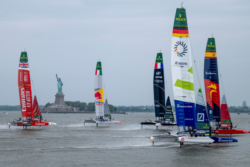
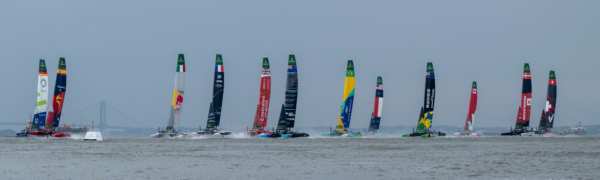
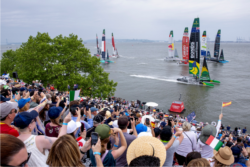
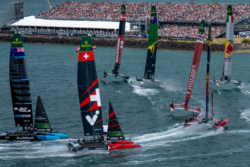
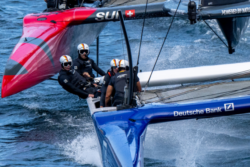
SailGP is a global racing series with identical high-performance catamarans, the so-called F50s. These boats are technical masterpieces: they ‘fly’ over the water at the appropriate speed - supported only by hydrofoils, i.e. hydrofoils under the hull. This allows them to reach extreme speeds and offer thrilling racing action in the tightest of spaces.
The speciality: all teams sail with exactly the same material. There are no technical advantages - all that counts is the skill of the crews. Several regattas take place around the world each season, e.g. in Sydney, Saint-Tropez or San Francisco. The individual races usually only last around 15 minutes, but are highly intense, tactical and perfectly staged for spectators - live and digitally.
In addition to its sporting ambitions, SailGP also focuses on sustainability and innovation: with carbon-neutral logistics, extensive data analyses and a clear goal of making sailing more accessible and sustainable.
Team Germany in the middle of it all
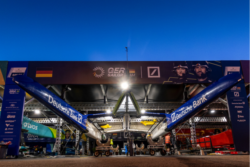
Germany has also had its own team since 2023 - under the leadership of Erik Kosegarten-Heil, one of Germany's most successful Olympic sailors. Together with a young, ambitious crew, the team is working hard to establish itself among the world's elite. The focus is not only on sporting success, but also on bringing the high-performance sport of sailing to a wider audience.
We asked Erik Kosegarten-Heil a few questions - about thrills, teamwork and visions.
Interview with Erik Kosegarten-Heil from Team Germany Sail GP
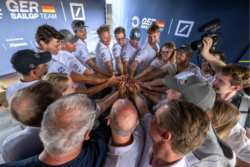
How does sailing on foiling catamarans differ from racing on conventional boats from the crew's point of view?
Erik Kosegarten-Heil: Sailing on foiling F50 catamarans, such as those used in the SailGP series, represents a completely new discipline compared to classic regatta sailing. The boats reach speeds of over 90 km/h, and even over 100 km/h at their peak - they literally ‘fly’ over the water. This dynamic requires extremely fast reactions from the crew and precise, coordinated manoeuvres in the millisecond range. The systems on board are highly complex: electric-hydraulic trimming, real-time data analysis, AI-supported decision-making processes and video evaluation are part of everyday life. The crew consists of just six people - with clearly defined roles, each with a high level of technical and tactical responsibility. It is a symbiosis of top-class sport, engineering skill and team precision.
What has been your biggest goosebump moment so far this season?
Erik Kosegarten-Heil: Our first race win in Dubai was a particularly emotional moment. After a difficult start to the regatta, we were able to impressively prevail in the fleet race - a success that was not only important in sporting terms, but also sent a strong signal for our team spirit and our development as newcomers to the league. This victory was a real milestone and showed us what potential we have.
Tactics, technique or speed: what really matters in the race?
Erik Kosegarten-Heil: The SailGP is all about the perfect interplay of speed, technical precision and tactical understanding. The boat speed - the ‘pure speed’ - is the basis. But without exact trimming, precise foiling and sensitive fine-tuning of the rudders and wings, the potential remains unutilised. At the same time, the tactical component plays a central role: those who read the wind better, position themselves strategically and make the right decisions at the right moment will gain decisive advantages. Our close coordination between steering and strategy, especially between the driver and our tactician Anna Barth, is essential here.
How do you mentally prepare for these races? Do you have routines, rituals or clear processes?
Erik Kosegarten-Heil: Mental preparation is an integral part of our concept. I myself work with so-called ‘brain jogging’ exercises - inspired by former ski racer Felix Neureuther. These involve coordination tasks, such as balancing on one leg in combination with ball catching and multi-sensory stimuli. The aim is to train the ability to concentrate and react under pressure. This is supplemented by structured routines such as data analyses, video evaluations and intensive briefings - before and after each race. These routines help us to be focussed and mentally stable at the start.
What ambitions did you start the league with - and how close are you to your goal?
Erik Kosegarten-Heil: We started with the aim of establishing ourselves among the top teams as quickly as possible and regularly competing for podium places. The first races were challenging, but we were able to show early on that we are competitive - the victory in Dubai was a strong example of this. We feel we are on the right track: the potential is there, now it's about building up consistency and delivering our performance in every event.
Where do you see yourselves as a team in the next two to three years - in sporting terms, but also as a role model for German sailing?
Erik Kosegarten-Heil: In sporting terms, we aim to establish ourselves in the top group in the medium term - with regular participation in finals and realistic chances of overall victories. We also see it as our responsibility to make sailing in Germany more visible, modern and accessible. Through formats such as the SailGP Impact League and programmes such as ‘Inspire’, we want to promote sustainability, inspire young talent and build a bridge between professional sport and the promotion of young talent.
What is your advice to young sailors in Germany who want to enter the professional sector, for example SailGP?
Erik Kosegarten-Heil: If you want to make the leap into international professional sailing, you should gain experience in foiling early on - be it on the Moth, WASZP or Wingfoil. At the moment, Olympic sailing is probably still where you'll find the greatest concentration of talent, so a combination of these two paths is likely to give you the best chance of success. At the same time, mental strength is crucial: anyone who has to make split-second decisions needs mental flexibility and clear communication. Handling data and technology also plays a major role today. And last but not least: the ability to work in a team. Modern sailing is not a solo endeavour - it's about performing together in well-rehearsed roles.
What role does Sebastian Vettel play in the team - is he actively involved?
Erik Kosegarten-Heil: For us, Sebastian Vettel is much more than a prominent co-founder or investor. He actively contributes his experience from Formula 1 - particularly in the areas of performance analysis, technical understanding and structured feedback. He has already completed test drives on board and is in regular dialogue with the team. After the races, he is often involved in the analysis process - he listens, takes notes and scrutinises details. This is not only valuable from a technical point of view, but also a strong sign of his genuine enthusiasm and commitment to the project.